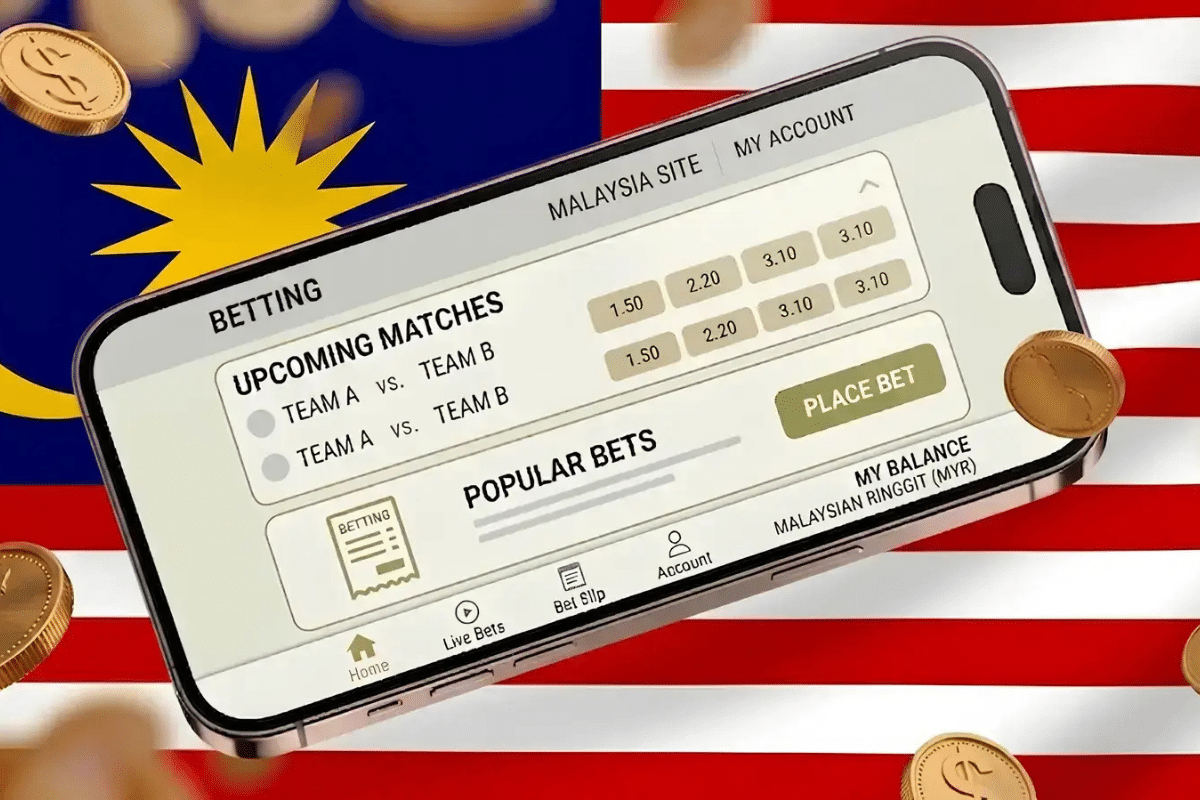
Malaysia’s sports betting market is at a pivotal crossroads in 2026. The reissuance of a legal sports betting licence to Ascot Sports after years of dormancy has opened the door to a regulated football betting market. However, the potential legal market size is dwarfed by the scale of illegal betting, which continues to drain billions of ringgit from the economy. According to industry data, illegal gambling generates between RM18 billion and RM20 billion annually, with the government missing out on an estimated RM5 billion in critical tax revenue. Offline illegal lottery (4D) operations are now estimated to be 1.5 to two times the size of the legal number forecast operator (NFO) market.
This article provides a comprehensive analysis of Malaysia’s sports betting turnover in 2026, covering the size of both the legal and illegal markets, the new Ascot Sports licence, and the key factors driving growth over the coming years. All figures are drawn from official sources, industry reports, and media statements.
Malaysia’s Sports Betting Market – A Sector at a Crossroads
Historically, Malaysia’s legal gambling market has long been dominated by number forecast operators (NFOs) and the Resorts World Genting casino. As a result, sports betting has traditionally been limited to horse race betting at three licensed turf clubs, leaving a significant void for football and other sports that has been almost entirely filled by illegal operators.
The reissuance of a sports betting licence to Ascot Sports in 2026 marks a turning point. Analysts now estimate that the legal football betting market in Malaysia could eventually be worth a staggering RM19.9 billion once matured, a figure that is more than twice earlier estimates of RM8 billion and roughly similar to the purported size of the illegal market.
The overall legal Malaysian gambling market, including casinos and NFOs, is also substantial. In the first quarter of 2026, Genting Malaysia recorded overall revenue of RM5.54 billion, while parent company Genting Berhad posted a net profit of RM1.11 billion on revenue of RM6.66 billion. Berjaya Sports Toto, one of the country’s leading NFOs, reported quarterly revenue of RM1.33 billion. These figures, however, still lag far behind the illegal market.
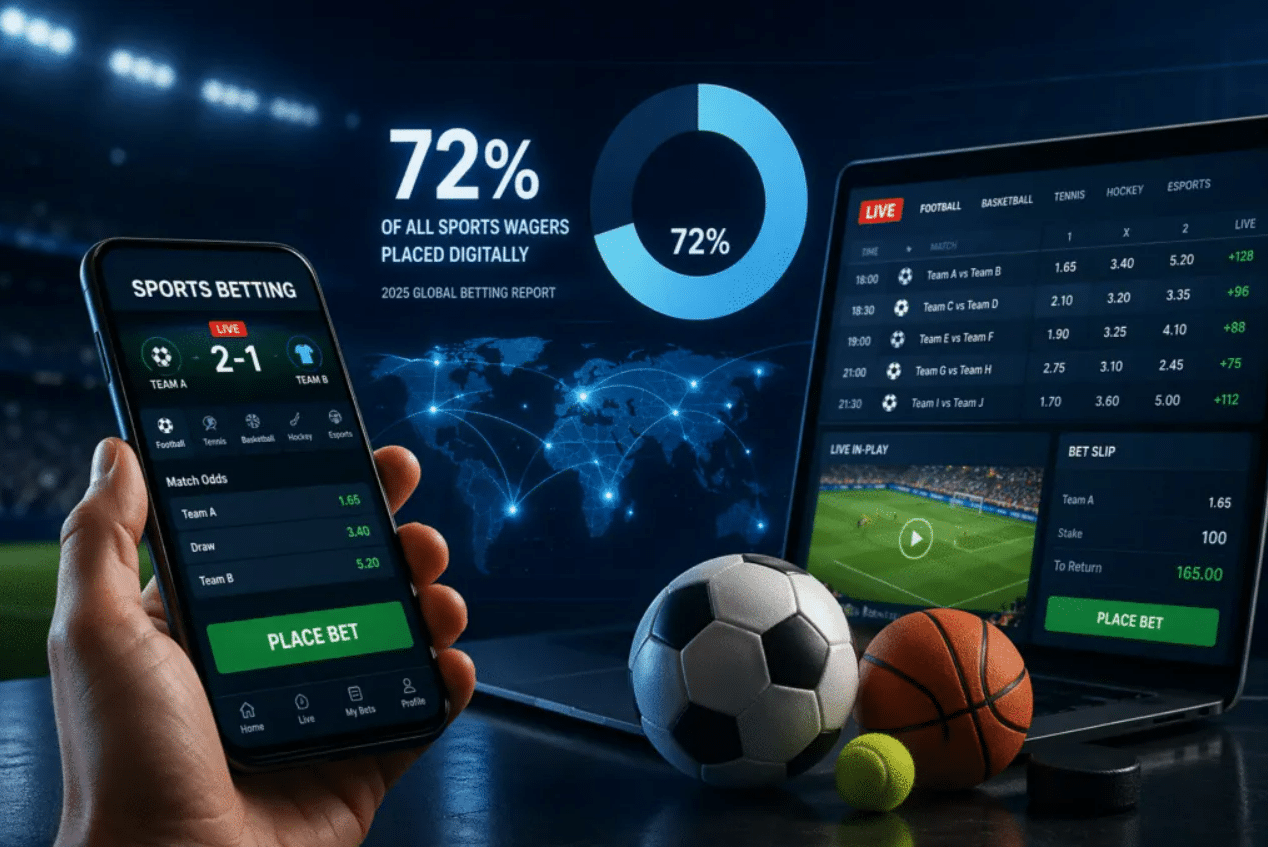
The Asia Pacific online gambling market continues to grow rapidly, generating revenue of USD 21.43 billion (approximately RM94.3 billion) in 2025, with a projected CAGR of 13% from 2026 to 2033. In particular, Southeast Asia’s sports betting market alone reached USD 3.9 billion in 2025 and is expected to hit USD 8.6 billion by 2034, representing an 8.93% CAGR. These regional trends suggest significant growth potential for Malaysia’s legal sports betting sector if it can capture even a fraction of the existing illegal demand.
Malaysia Sports Betting Market Overview
| Indicator | Value | Source |
|---|---|---|
| Potential legal football betting market (mature) | RM19.9 billion | The Edge Malaysia |
| Annual illegal gambling market turnover | RM18–20 billion | SBC Eurasia / The Edge |
| Estimated annual lost tax revenue | RM5 billion | SBC Eurasia |
| Illegal NFO market relative to legal market | 1.5–2 times larger | The Edge Malaysia |
| Genting Malaysia revenue (Q1 2026) | RM5.54 billion | Genting Malaysia financial report |
| Berjaya Sports Toto revenue (Q1 2026) | RM1.33 billion | Berjaya Sports Toto financial report |
| Southeast Asia sports betting market (2025) | USD 3.9 billion | IMARC Group |
| Southeast Asia sports betting market (2034 forecast) | USD 8.6 billion | IMARC Group |
The Illegal Market – A Colossal Drain
In fact, the single biggest factor shaping Malaysia’s sports betting market is the scale of illegal gambling. Data released in 2023 indicated that the country’s illegal gambling market generates approximately RM18 billion annually, costing the government an estimated RM5 billion in vital tax income. Other estimates suggest the illegal market could be as large as RM20 billion, roughly equivalent to the projected size of the legal market. Illegal 4D operations are estimated to be 1.5 to two times larger than the legitimate NFO market, with the government losing up to RM3 billion annually in tax revenue from this segment alone.
Illegal operators offer significant advantages over legal ones. They provide daily draws and 24/7 mobile access, while legal NFOs are restricted to physical outlets and capped at three to four draws per week. Young consumers are increasingly spending their discretionary income on these online alternatives, which have aggressively moved online to capture this demand.
The government has responded with intensified enforcement. For instance, in the first 15 days of 2026 alone, the Malaysian Communications and Multimedia Commission (MCMC) removed a staggering 15,519 pieces of online gambling content. Additionally, between 1 January and 19 April 2026, MCMC received 203,918 public requests for content removal, with 91% related to online gambling and scams. Police have also conducted major raids. In February 2026, the Royal Malaysia Police (PDRM) arrested 388 individuals in raids across Kuala Lumpur, Selangor and Penang, targeting a syndicate developing online gambling platforms for domestic and international use. The government is also drafting a new bill specifically to address online gambling, with enforcement mechanisms expected to be strengthened once enacted.
Illegal Gambling Market Estimates and Enforcement
| Indicator | Value | Source |
|---|---|---|
| Annual illegal gambling market turnover | RM18–20 billion | SBC Eurasia / The Edge |
| Estimated annual lost tax revenue | RM5 billion | SBC Eurasia |
| Illegal NFO market relative to legal market | 1.5–2 times larger | The Edge Malaysia |
| MCMC gambling content removed (Jan 2026) | 15,519 pieces | Bernama |
| Public content removal requests (Jan–Apr 2026) | 203,918 (91% gambling/scams) | Bernama |
The New Legal Football Betting Licence – Ascot Sports
Notably, in a landmark move, the Malaysian government reissued a sports betting licence to Ascot Sports, a subsidiary of Berjaya Corporation, in 2026. The licence is non‑exclusive and will be renewed annually. Berjaya Corporation founder Vincent Tan has publicly stated his intention to inject his 70% equity stake in Ascot into BCorp, consolidating the licence under the publicly listed parent company.
The licence allows bets on all forms of sports activities conducted outside Malaysia. Initially, only 220 of Berjaya Sports Toto’s 680 outlets will be used as distribution points, all located in West Malaysia. Bets can be placed over‑the‑counter or via telephone; online betting is not permitted. The launch is expected to coincide with the new English Premier League season in August or September 2026. Live betting will be available only later; initially only pre‑match 90‑minute bets are allowed.
The potential market size is substantial. Analysts now estimate that the legal football betting market in Malaysia could eventually be worth a staggering RM19.9 billion once matured, far higher than previous estimates. The licence is non‑exclusive, leaving the door open for additional operators. However, the government has not announced a formal application process, and political sensitivity remains a barrier.
Ascot Sports paid RM525 million to acquire its 70% stake. Berjaya Corporation’s share price has not reacted positively to the licence news, with investors sceptical about a telephone‑only sportsbook’s ability to compete in a market dominated by online operators. The launch has also been delayed multiple times, and as of May 2026, no firm launch date has been confirmed.
Official website:
Berjaya Corporation (corporate parent)
Enforcement and Market Trends – MCMC Crackdown and Investment Flows
MCMC removed 15,519 gambling content pieces in early 2026 and received 203,918 public takedown requests (91% gambling-related). A new online gambling bill is expected in late 2026.
For example, Tropicana’s WindCity project includes a 38‑acre entertainment hub with hotels, residences, a theme park, and a mall.
Genting Berhad proposed a RM6.7 billion privatisation of Genting Malaysia in 2025, still awaiting shareholder approval. The government has rejected all new casino licence proposals, including a 2025 bid for Forest City. Resorts World Genting will remain Malaysia’s only legal casino.
Malaysia’s sports betting market is poised for significant growth in 2026 and beyond. The reissuance of a legal football betting licence to Ascot Sports opens the door to a regulated market with a potential mature value of RM19.9 billion. The overall gambling market is projected to grow as part of the broader Southeast Asian trend, driven by online platforms, tourism, and digital payments.
However, the illegal market remains a colossal challenge, siphoning an estimated RM18 billion to RM20 billion annually and costing the government billions in lost tax revenue. MCMC has escalated its enforcement, removing over 15,000 gambling content pieces in early 2026 and receiving over 200,000 public takedown requests. A new bill specifically targeting online gambling is also being drafted.
Ultimately, the future of Malaysia’s sports betting market will depend on the successful launch of legal operators, the effectiveness of enforcement against illegal competitors, and the government’s ability to create a regulatory framework that balances consumer protection with industry growth.
Sources: The Edge Malaysia, SBC Eurasia, Bernama, IMARC Group, Genting Malaysia financial reports, Berjaya Sports Toto financial reports, The Star, 9shares.my, Asian Gaming
How Big Is Malaysia’s Sports Betting Market in 2026?
Q1: What is the potential size of Malaysia’s legal football betting market? ▼
Analysts estimate the legal football betting market in Malaysia could eventually be worth approximately RM19.9 billion once matured. This figure is based on the size of the existing illegal market and the potential for legal operators to capture a significant share of that demand.[Source]
Q2: How large is the illegal gambling market in Malaysia? ▼
The illegal gambling market in Malaysia is estimated to generate between RM18 billion and RM20 billion annually, costing the government an estimated RM5 billion in lost tax revenue each year.[Source]
Q3: What is the Ascot Sports licence and how will it affect the market? ▼
Ascot Sports has been reissued a sports betting licence by the Ministry of Finance, allowing legal football betting on overseas sports. The licence is non‑exclusive and will be renewed annually. Bets can be placed over‑the‑counter at selected outlets or via telephone. Online betting is not permitted. The launch is expected to coincide with the new English Premier League season in August or September 2026.[Source]
Q4: How is the government addressing illegal gambling? ▼
The government is intensifying enforcement. MCMC removed 15,519 gambling content pieces in early 2026 and received over 200,000 public takedown requests, 91% related to gambling and scams. A new bill targeting online gambling is also being drafted.[Source]
Q5: Will the government issue more sports betting licences? ▼
The Ascot Sports licence is explicitly non‑exclusive, meaning other operators could theoretically apply. However, the government has not announced an application process, and political sensitivity remains a barrier. No additional licences have been issued as of May 2026.